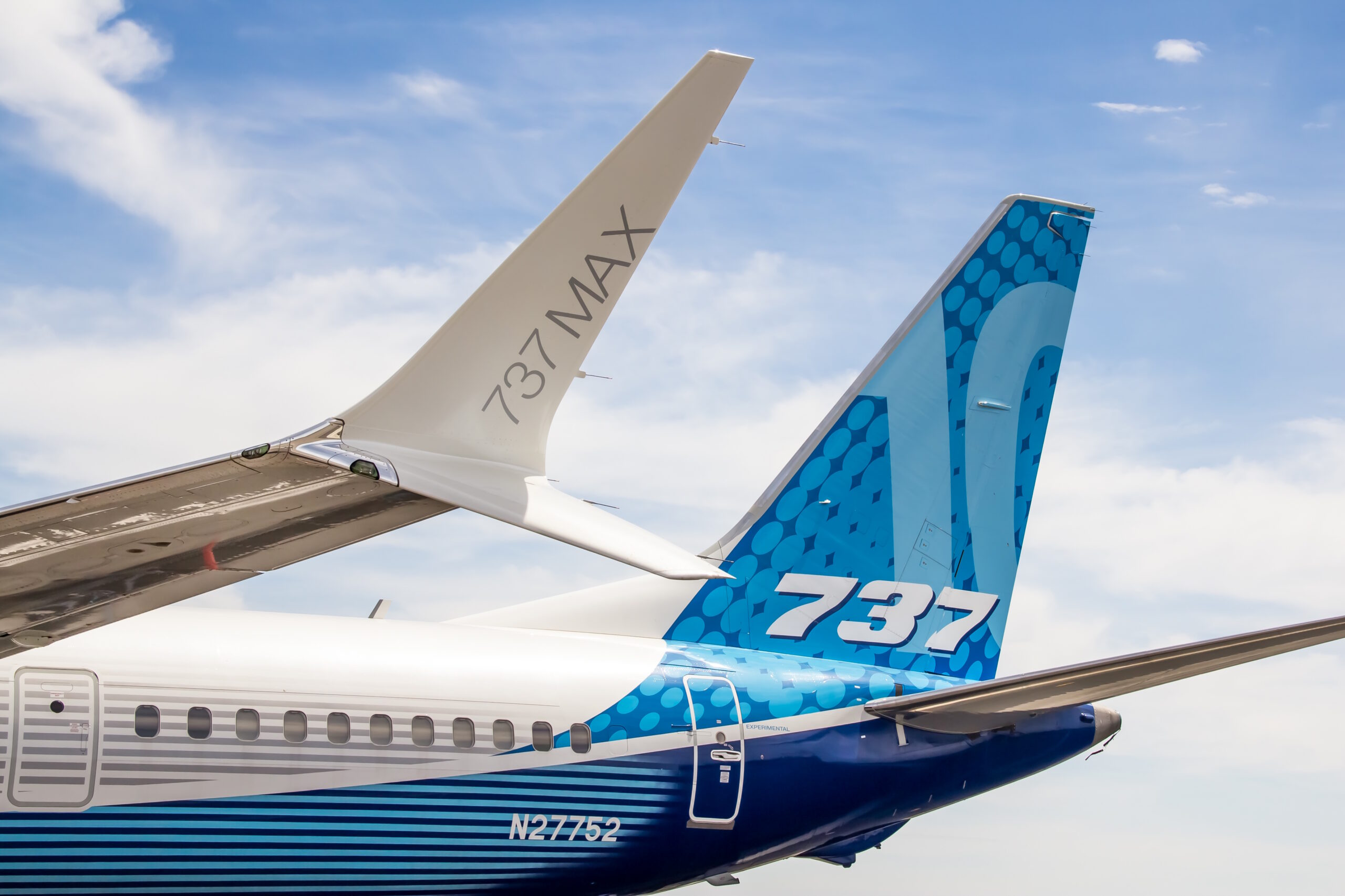
Just weeks after Boeing opened a new production line for the 737 Max in Everett, the aerospace giant landed a contract for 100 aircraft from global leasing company SMBC Aviation Capital. The 100 aircraft will add to Boeing’s existing backlog of 4,351 Max jets.
Under the purchase agreement, SMBC will buy 60 737 Max 10s and 40 737 Max 8s. The 737 Max 10 is the largest model in the Max line, with a seating capacity of 230 passengers and a range of 3,100 nautical miles. Although the Federal Aviation Administration (FAA) has not yet certified the model, Boeing expects it to do so later this year.
SMBC placed its aircraft order at the biennial Farnborough International Airshow — a strikingly different scene for Boeing than its last appearance there in 2024. At the time, the company was facing intense scrutiny and fallout after a mid-cabin door plug blew out on an Alaska Airlines flight and left a door-sized hole in the 737 Max 9’s fuselage.
After the incident, the FAA limited Boeing to producing just 38 Max jets per month. This cap was raised to 42 in October 2025 and 47 in May 2026. On July 20, the FAA allowed Boeing to resume self-certifying the airworthiness of new 737 and 787 jets.
Lessors like SMBC have become an increasingly important customer base for Boeing, now accounting for more than 1,450 Max orders, about a fifth of the total backlog, as airlines lean on leasing for fleet flexibility. Since the Max program started a decade ago, Boeing has produced 2,300 jets. Until recently, the aircraft was manufactured entirely at Boeing’s Renton factory.

The activity reflects Boeing’s broader read on the industry: a market forecast released the same weekend estimates airlines will need 43,625 new aircraft by 2045, most of them single-aisle models like the Max, as passenger travel grows roughly 4% a year.
This post was based on information found on Puget Sound Business Journal.