
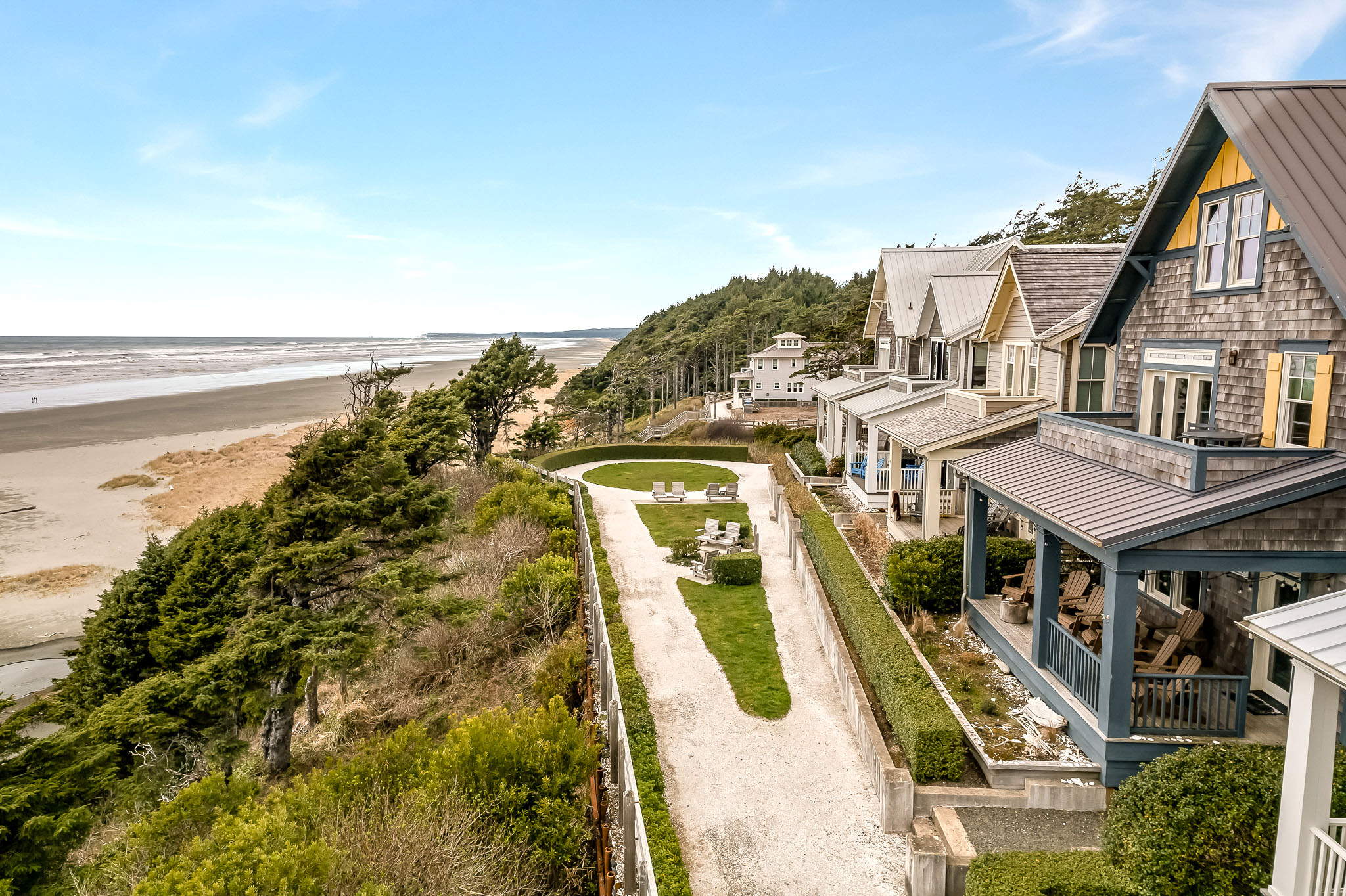
Washington lawmakers are making another attempt to pass a short-term rental tax after a similar bill failed last year. If approved, House Bill 2559 would add a 4% tax on short-term rentals—translating to $8 on a $200-per-night stay. While the controversial bill will increase costs for property owners, the revenues will support Washington’s affordable housing initiatives.
When similar measures were previously proposed, the Washington Department of Revenue forecasted they would bring in $21 million in the first year alone. This funding would help alleviate budget constraints for affordable housing programs, supporting both housing development and rental assistance.
To reduce the burden on smaller operators, the bill includes exemptions. Owners who rent fewer than three rooms and live at the property for at least half the year won’t be subject to the new tax.
The push for short-term rental tax faces significant opposition nationally. Airbnb, a market leader in the industry, contributed $3.9 million to its affiliated political action committee to oppose such taxes. After spending roughly half that amount, the company recently pledged an additional $1.9 million to continue the effort.
Beyond the tax itself, there’s fierce debate over short-term rentals’ role in the housing market. Proponents highlight the economic benefits for property owners and local economies. Opponents argue that these rentals drive up prices and reduce available housing inventory, particularly in tourist destinations. Some owners have also raised concerns about the bill’s impact on retirees, noting that one in five Airbnb hosts in Washington is over 60.
For property owners, the taxes add up quickly. Owners already face a lodging tax capped at 12%. Seattle imposes an additional $14 per home or $8 per room, with rates reaching 15.2%. Under the new bill, Seattle owners could pay up to 19.2% in total taxes, while owners elsewhere in the state could face a 16% rate.

By funding affordable housing, advocates hope to address the state’s growing inventory shortage. By 2044, Washington will need an additional 1.1 million homes—more than half of which must be affordable. Without this tax measure, local governments will need to find alternative ways to meet the region’s housing demand.
If the bill is passes, the new law would take effect on April 1, 2027.
This post was based on information found on The Seattle Times.
Photo courtesy of Seabrook.